

By: Dr. Alan Aldana
Partner · Lawyer accredited before the International Criminal Court.
The front line is no longer the battlefield. It's the boardroom.
The business world has entered a new phase. Geopolitical volatility, international sanctions regimes, activist litigation, and coordinated smear campaigns have fundamentally transformed the risk landscape for multinational corporations.
Today, The gravest threat to a company is not solely commercial. It is legal, reputational, and increasingly personal. A contract awarded in a sensitive jurisdiction can be challenged in a European court. A concession in a sanctioned country can trigger exposure in Washington. A logistics operation in a conflict zone can be subject to simultaneous scrutiny from multiple jurisdictions, regulators, and media platforms.
And the most decisiveThe exposure is no longer limited to society. It reaches its advisors, its executives, and those who make decisions.
Lawfare: When Law Becomes a Weapon
The concept of lawfare —the calculated use of judicial procedures, regulatory frameworks, and institutional mechanisms to harm a business rival, destabilize an investment, or force a political outcome— is no longer a theoretical notion. It is an operating instrument that already affects businesses across all sectors.
This phenomenon is especially visible in conflict zones and disputed territories, jurisdictions subject to sanctions from OFAC, the European Union or the United Kingdom, countries undergoing political or institutional transition, and highly competitive sectors where litigation is used to displace an awardee.
Imagine a European industrial corporation with decades of history and billions in revenue that is awarded a major public contract in another member state as the preferred bidder. Within weeks, its competitors file administrative appeals. Simultaneously, coalitions of non-governmental organizations publish coordinated reports alleging complicity in violations of international humanitarian law. Parliamentary questions are raised. Institutional investors receive letters demanding divestment. The contract is suspended.
The company has not committed any illegal activity. But it did not count on a preventive opinion from international criminal law, nor on a strategic response protocol to coordinated campaigns, nor on advisors positioned in advance in the jurisdictions where the attacks materialized.
The resulta crisis that could have been avoided with the right legal framework ended up paralyzing a strategic operation, damaging the company's reputation, and personally exposing its directors.
What's at stake
Risks that large corporations already face include exclusion from international public procurement for alleged human rights violations, personal exposure of directors and executives under universal jurisdiction doctrines, INTERPOL red notices used as political or commercial leverage, exposure to sanctions under multiple simultaneous regimes, and coordinated reputational attacks designed to force divestment or create conditions for hostile regulatory action.
This is not a hypothetical risk. It is the current operational reality. And what distinguishes the organizations that survive this type of crisis from those that do not is a single decision: having built their defenses before needing them.
The answer: protection before the crisis
Those who understand this reality do not react to crises. They build the necessary legal architecture to withstand them before they occur.
VENFORT was conceived for this environment. The firm combines two disciplines that rarely operate in tandem but are essential when a case unfolds simultaneously across multiple jurisdictions: international criminal defense and strategic navigation of international human rights law.
This combination allows VENFORT to offer what few firms can: preliminary opinions that rule out allegations of complicity before they are formally raised, specialized challenges before the INTERPOL Records Review Commission, due diligence frameworks validated by OECD mechanisms, defense strategies in extradition proceedings across multiple jurisdictions, and coordination of multi-jurisdictional teams in cases simultaneously spanning Europe, the Americas, the Middle East, and jurisdictions offshore.
Our geographic reach reflects the jurisdictions where the most complex issues arise.Spain, Venezuela, Colombia, Mexico, Panama, United Arab Emirates, Israel, Belgium, France, Switzerland, United Kingdom, United States, and Singapore.
Final reflection
International law is evolving faster than corporate governance structures can assimilate. United Nations reports are used as evidence in commercial litigation. Sanctions frameworks are reconfiguring financial systems. Reputational narratives are conditioning regulatory decisions.
The question is no longer whether your organization will face an exposure of this nature.
The question is whether it will be ready when that happens.
Confidential inquiry: contacto@venfort.com
VENFORT By Aldana & Abogados · Madrid · Caracas · Presence in 15 jurisdictions.
International Criminal Defense · Extraditions · INTERPOL · Sanctions · Corporate Lawfare
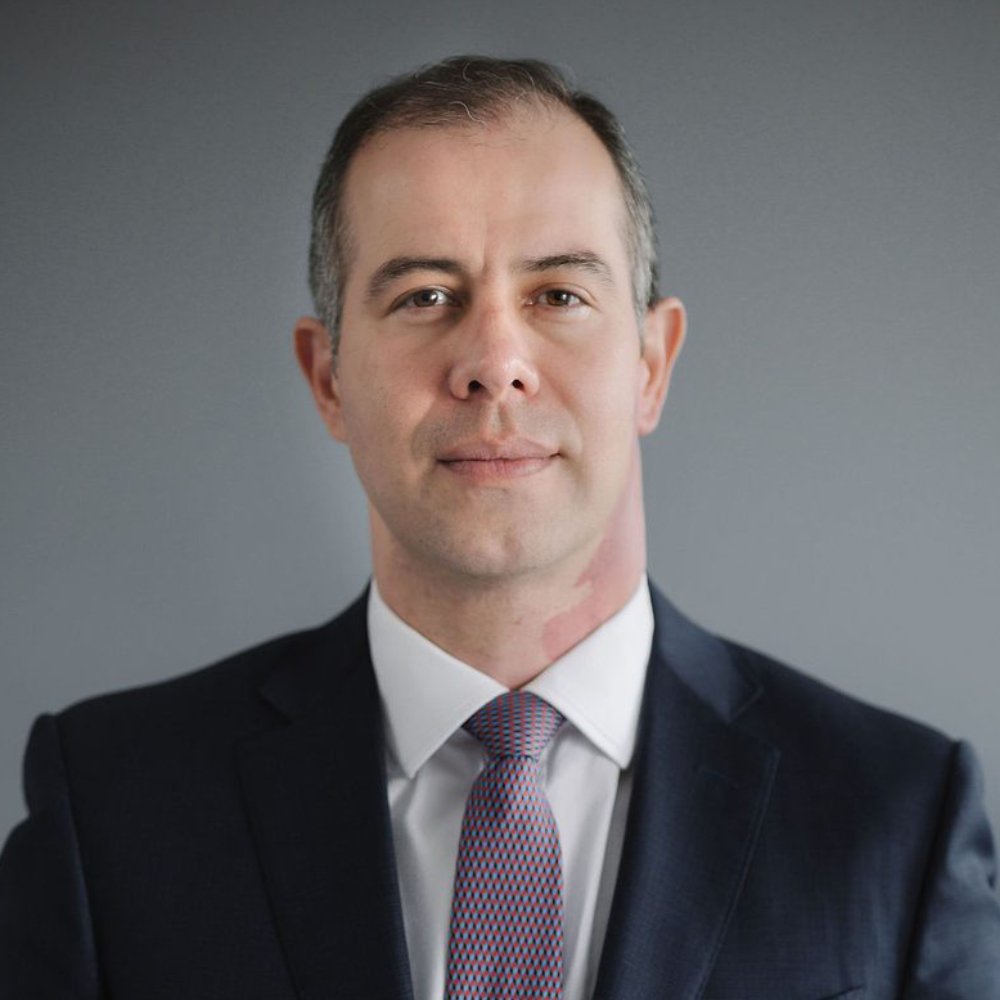
Founding partner and Director of the International Criminal Law Department at VENFORT Lawyers. Lawyer accredited before the International Criminal Court, with over twenty years of practice in extraditions, INTERPOL proceedings, economic criminal law, and international sanctions, assists entrepreneurs, executives, institutions, and families with interests in Europe and the Americas.